Let’s Be Honest: Most Pet Products Look the Same
If you walk into any pet store—or scroll through an online marketplace—you’ll see the same problem everywhere:
Similar products
Similar materials
Similar functions
Similar prices
From a factory point of view, many products are interchangeable.
From a retailer’s point of view, that’s exactly the problem.
If customers can’t tell your product apart in three seconds, price becomes the only deciding factor.
That’s why branding matters—not in theory, but on the shelf and at checkout.
Branding Is Not About Being Fancy. It’s About Being Chosen.
Many retailers think branding means:
Expensive packaging
Huge MOQs
Big upfront investment
In reality, good private label branding is about making smart decisions, not big ones.
From our experience working with importers and retailers, successful brands usually focus on three things:
Clear positioning (who this product is for)
Consistent visual language (colors, logo, layout)
Realistic MOQ strategy (not overstocking, not under-branding)
This article is about how to do that without wasting money.
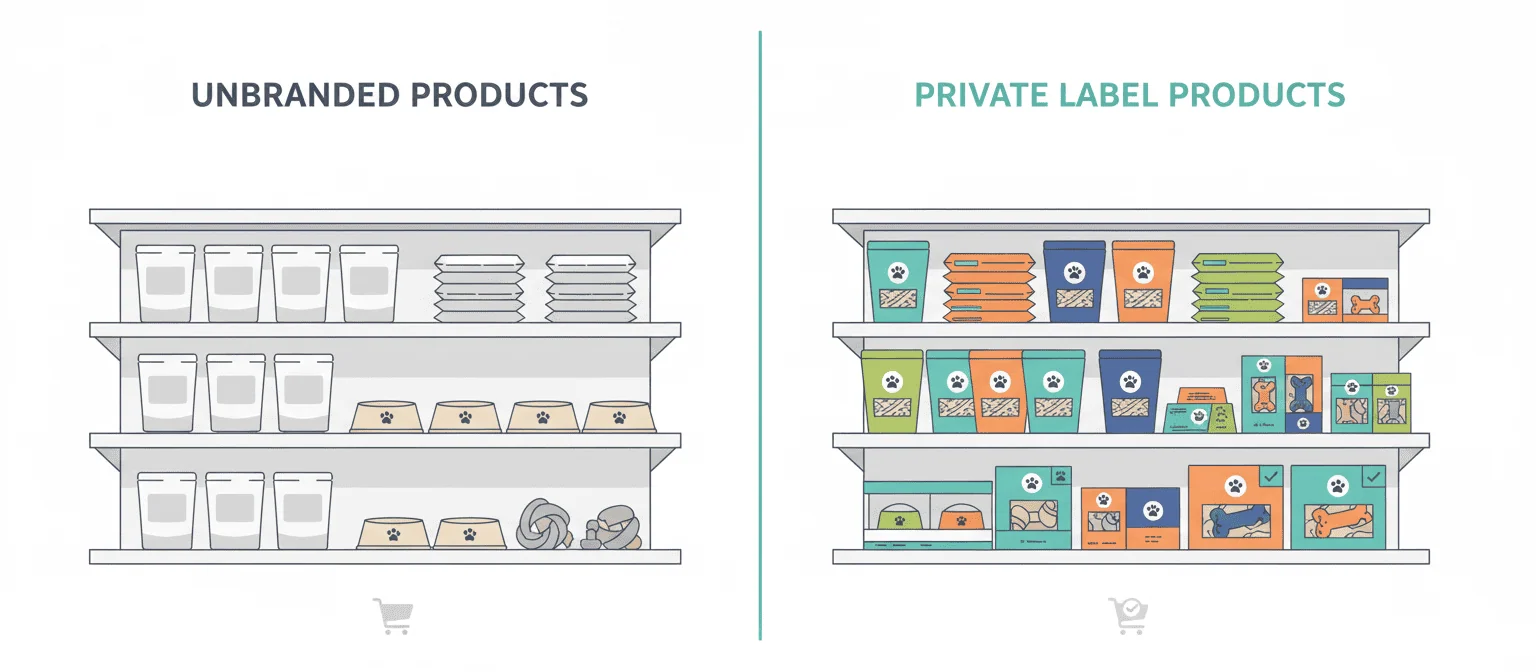
Private Label Does NOT Mean “Start From Scratch”
One of the biggest misunderstandings we see is this:
“If I want private label, I need a fully custom product.”
You don’t.
In fact, most successful private label pet products do not start with full customization.
What Most Retailers Actually Do
They usually start with:
Proven product structures
Existing molds
Standard materials
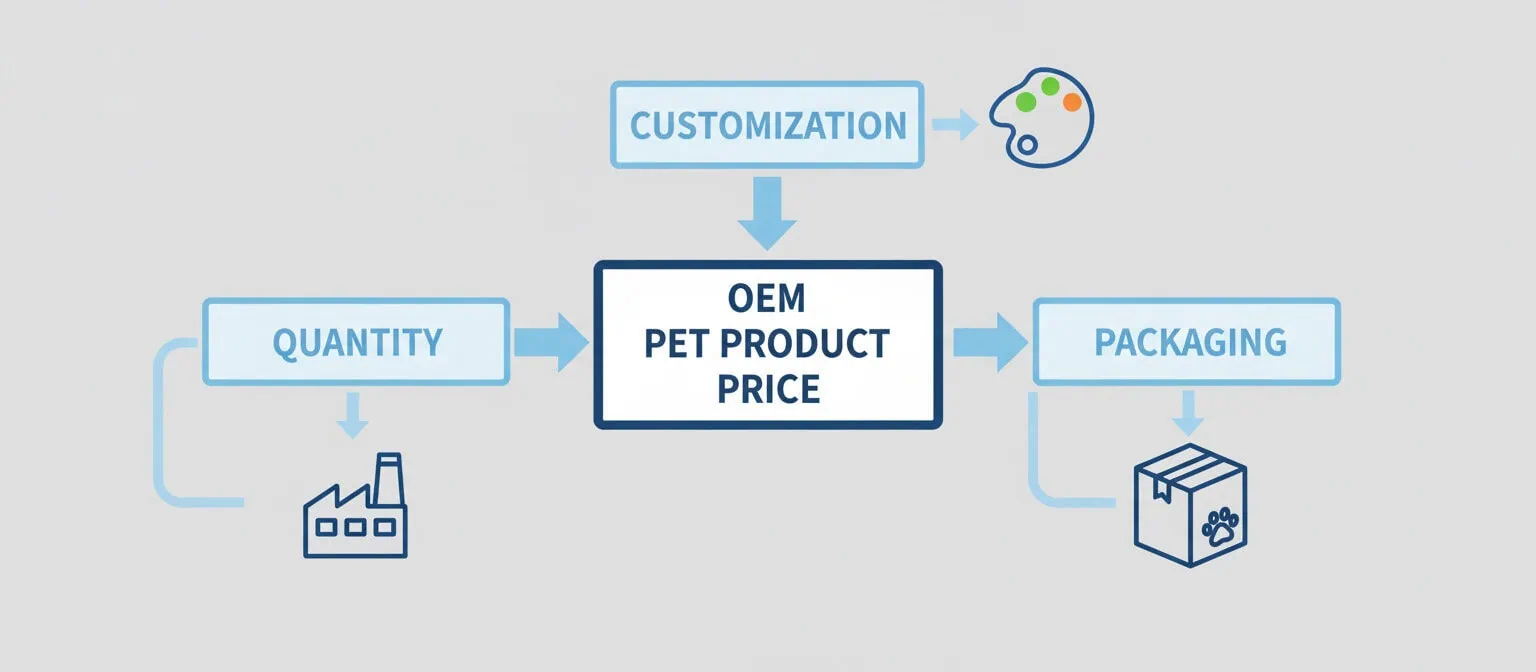
And customize only what customers see:
Logo
Color direction
Packaging design
This keeps:
MOQ manageable
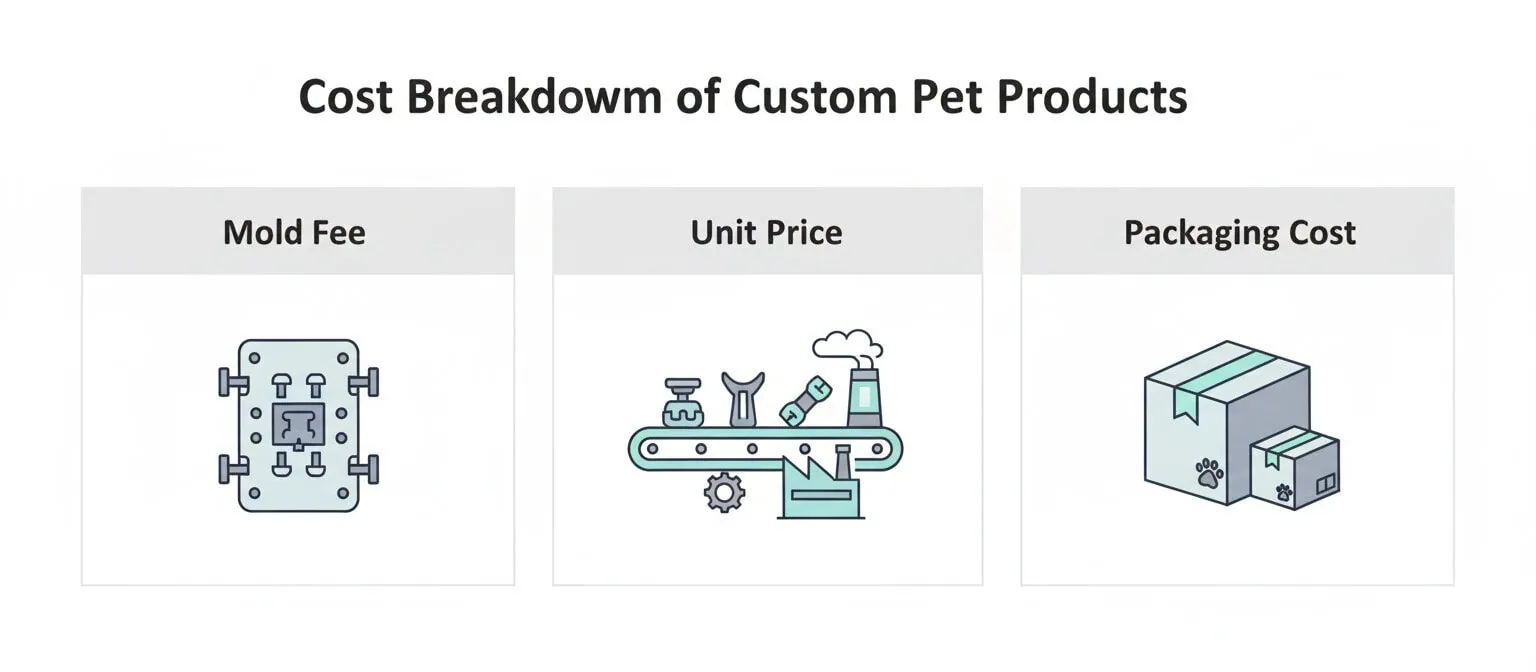
Cost under control
Lead time reasonable
Packaging Is Your Real Salesperson
If we’re being practical:
Packaging sells more than the product description.
Good packaging answers three questions instantly:
What is this?
Who is it for?
Why should I trust it?
If packaging fails at any of these, the product struggles—no matter how good it is.
What We Usually Recommend to Retailers
Instead of “fancy”, we recommend:
Clean layout
Clear benefit highlights
Easy-to-read information
Packaging size optimized for shipping
This improves:
Shelf performance
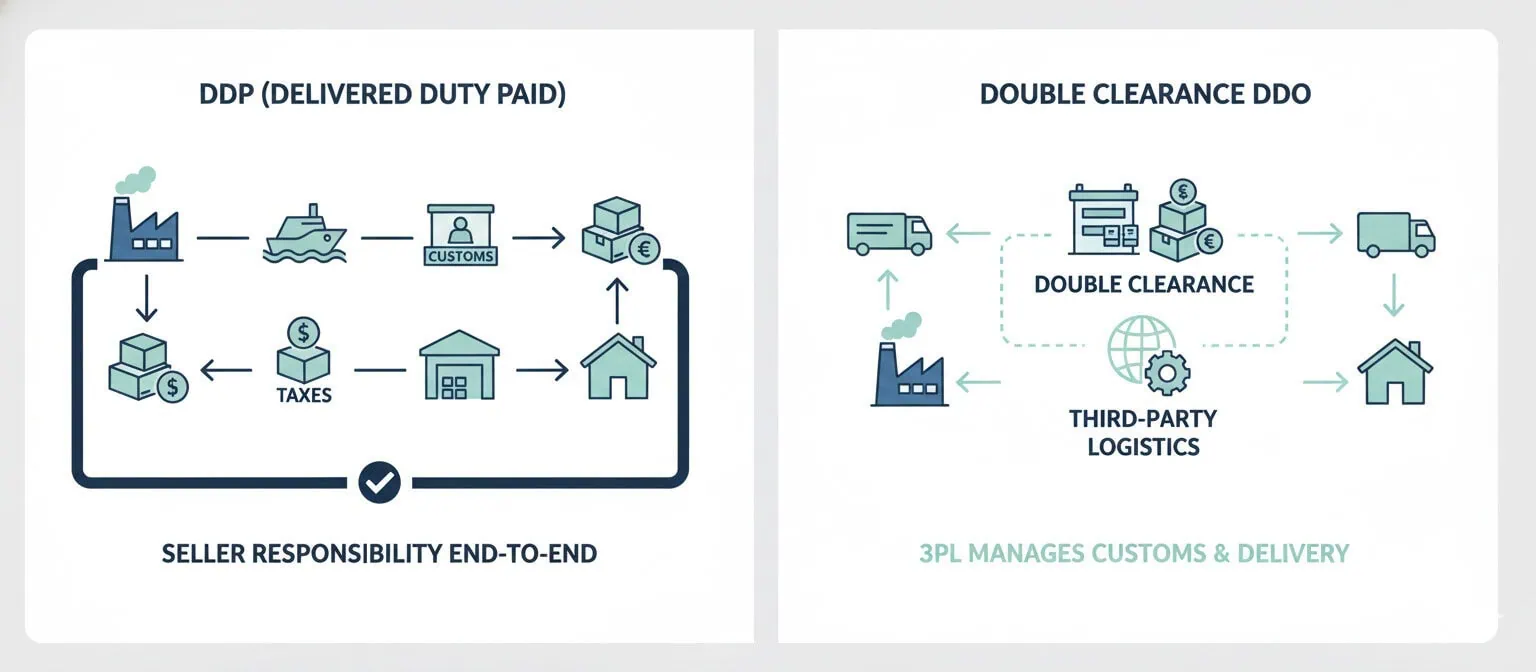
Logistics cost
Re-order confidence

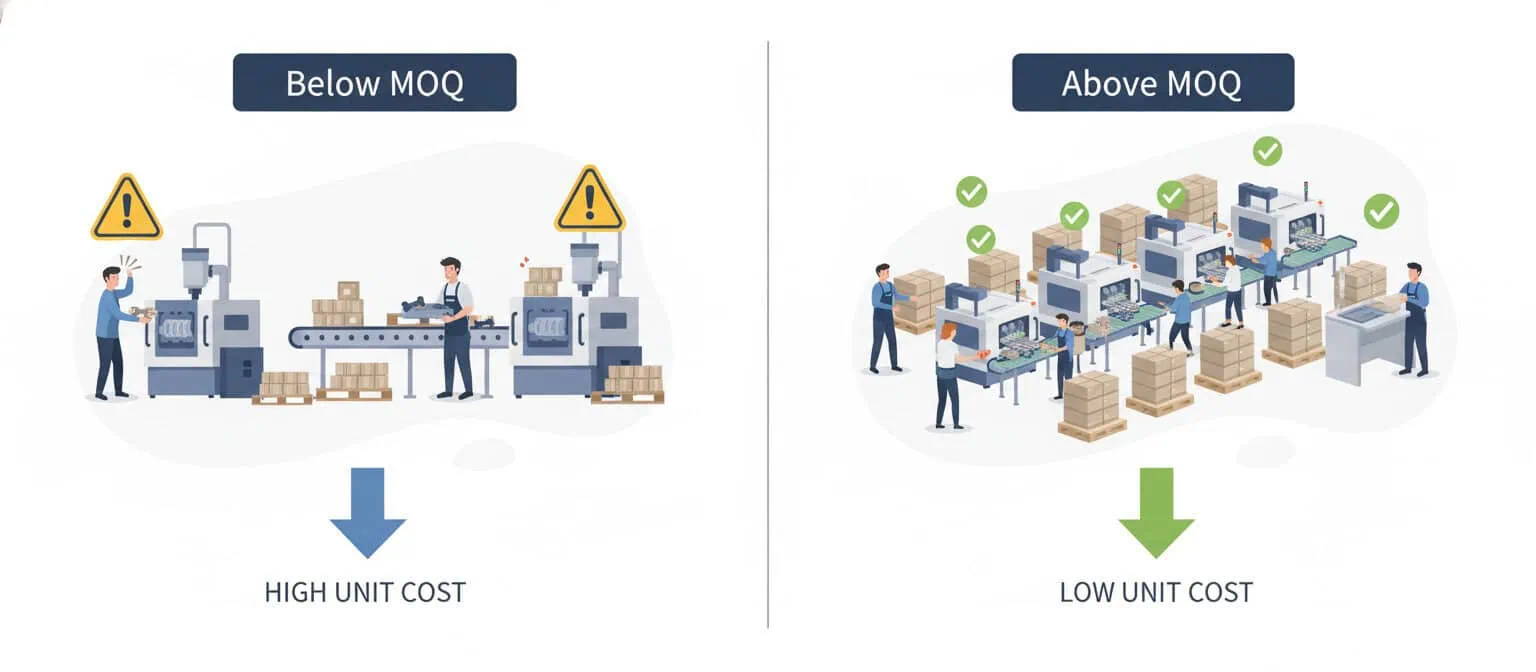
MOQ: The Real Question Is Not “How Low”, But “How Smart”
Let’s talk about the topic everyone worries about: MOQ.
MOQ is not there to make your life difficult.
It exists because production, packaging, and printing all have efficiency thresholds.
The mistake many new retailers make is trying to:
Launch too many SKUs at once
Fully customize everything from day one
A Smarter MOQ Strategy
What works better in real projects:
Start with fewer SKUs
Use the same packaging structure
Focus branding on the front panel
Scale after market validation
This reduces:
Inventory risk
Cash pressure
Unsold stock
And makes reorders much easier.
Branding Decisions That Accidentally Increase Your Cost
From a factory perspective, we see these mistakes a lot:
❌ Over-complicated packaging
Too many colors
Too many materials
Oversized boxes
→ Higher unit cost + higher freight cost
❌ Customizing too early
New mold before testing demand
Full redesign without sales data
→ High upfront investment, slow ROI
❌ Ignoring logistics impact
Packaging looks good but wastes space
→ You pay more for shipping every time you reorder
Good branding balances visual impact + cost control + logistics reality.
What a Good OEM Partner Should Actually Help You With
A real OEM partner doesn’t just say:
“MOQ is X, price is Y.”
A good partner helps you:
Decide what should be customized now
Decide what can wait
Adjust packaging to control cost
Plan branding in phases

That’s how brands are built sustainably.
As a pet supplies manufacturer in China, this is exactly where we focus our support—especially for retailers who are growing their own private label lines.
A Realistic Branding Path (What Actually Works)
Most successful retail brands follow a path like this:
Proven product + logo branding
Custom packaging design
SKU expansion
Deeper product-level customization
This approach:
Controls risk
Improves cash flow
Builds brand step by step
Final Thought: Branding Is a Business Decision, Not a Design Exercise
Private label branding is not about making something “look premium”.
It’s about making something sell consistently and reorder smoothly.
If you’re a retailer or importer thinking about:
Launching a private label
Upgrading existing packaging
Balancing branding with MOQ
The right starting point is not design—it’s discussion.