Table of Contents
The global pet food market has grown into one of the most competitive sectors in the pet industry. New formulas, new proteins, new packaging styles, and new brands appear every month. With such intense competition, pet food companies must find ways to differentiate themselves, capture attention, and increase customer loyalty.
One of the most effective strategies used globally—especially by successful brands in North America, Europe, and Southeast Asia—is the use of pet promotional gifts. These low-cost, high-impact giveaways can dramatically increase purchase intent, brand loyalty, and repeat purchases.
This article provides a full analysis of why pet food brands should use promotional gifts, how they influence consumer behavior, and how to implement them effectively.
1. What Are Pet Promotional Gifts?
Pet promotional gifts are free items packed together with pet food or provided during promotions. They are designed to create extra value for consumers and strengthen a brand’s competitive position.
Common examples include:
Dog toys (TPR, rope toys, squeaky toys)
Cat toys (balls, teaser wands, plush mice)
Small grooming tools
Silicone feeding mats
Snack sample packs
Seasonal gift items
Branded accessories
Trial-size supplements or functional treats
These items cost very little to produce but deliver substantial marketing value.
2. Why Promotional Gifts Are Powerful for Pet Food Brands
Promotional gifts work because they tap into both consumer psychology and retail strategy. Below are the main reasons they are so effective in boosting sales.
3. Increase Shelf Attraction and Grab Customer Attention
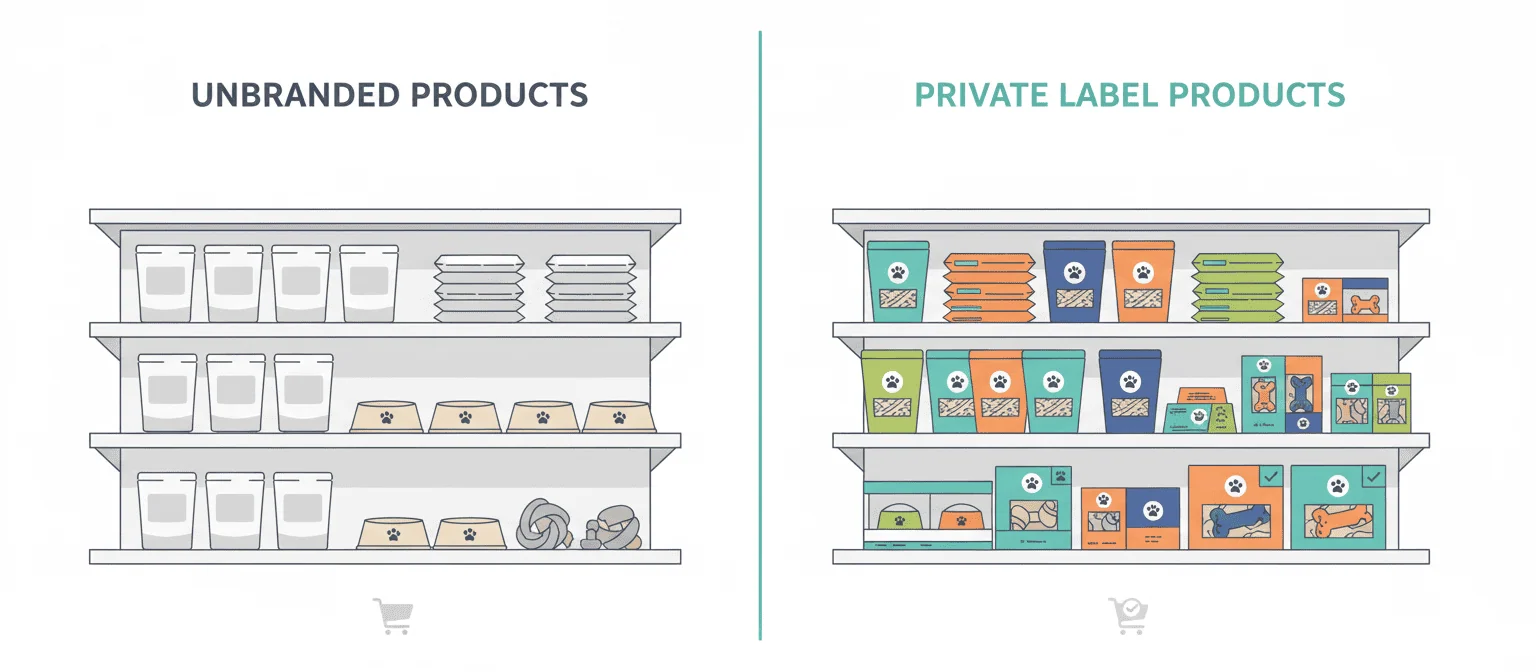
When pet owners walk into a store, they face hundreds of similar-looking pet food bags. Most brands look almost identical from a distance.
A bag with a promotional gift:
Creates immediate visual differentiation
Stands out among competitors
Increases the time a customer spends looking at your product
Improves the chance of conversion
In retail, this is known as Shelf Impact.
A product that stands out sells better.
Promotional gifts make your product instantly recognizable, even from several meters away.
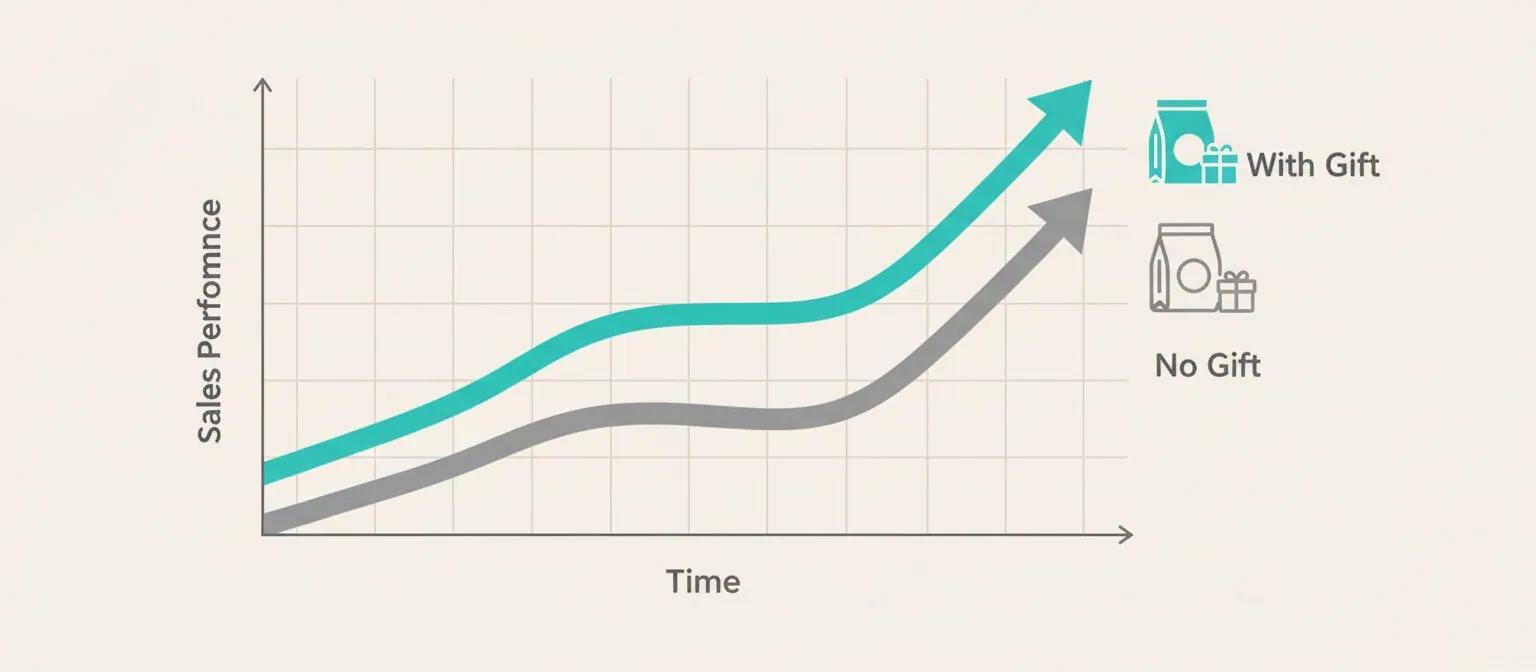
4. Improve Perceived Value Without Lowering Price
Customers love the feeling of getting something extra.
A free toy, accessory, or sample creates a value surplus that makes your pet food appear more attractive without lowering the price.
Benefits include:
Stronger price-to-value perception
Higher consumer satisfaction
Increased willingness to try new products
Reduced resistance to premium pricing
A $0.15 toy can add $3–$5 worth of perceived value.
5. Boost First-Time Trial Rate for New Products
New pet food brands face a difficult challenge:
Consumers don’t trust new formulas yet
Pet owners don’t want to risk upsetting their pet’s stomach
New packaging may not immediately attract attention
Promotional gifts reduce psychological barriers by creating a risk-mitigated purchase.
Why?
Because the consumer feels they are getting more than just the food—they are getting a bonus, making the decision easier.
This significantly increases first-purchase conversion rates, which is essential when launching new products.
6. Strengthen Brand Image and Emotional Connection
The pet industry is emotional. Pet owners want to feel that a brand:
Cares about pets
Understands pet needs
Creates thoughtful experiences
Gives more value
A simple, well-designed gift can generate:
Positive emotional reaction
Stronger trust
Better brand memory
Higher brand affection
Brands that create emotional experiences grow faster and retain customers longer.
7. Encourage Repeat Purchases and Build Brand Loyalty
Promotional gifts are an excellent tool to encourage customer loyalty.
Why?
Because they create a positive first impression, making customers more likely to return to the same brand.
Example behavioral patterns:
“This brand always gives extra value.”
“My dog loves the little toy they provide.”
“I trust this brand to offer thoughtful products.”
Loyal customers are the backbone of long-term profitability in the pet food sector.
8. Perfect for Seasonal Marketing and Holiday Promotions
Pet food brands must maximize sales during:
Christmas
Halloween
Valentine’s Day
Easter
Black Friday
Double 11 and Prime Day
Local pet holidays
Promotional gifts create themed products that increase purchase frequency and impulse buys.
Examples:
Christmas dog toy + holiday-themed packaging
Halloween cat toy bundle
Valentine’s Day heart-shaped rope toy
Easter bunny-themed gift pack
Seasonal bundles convert extremely well in both retail and e-commerce.

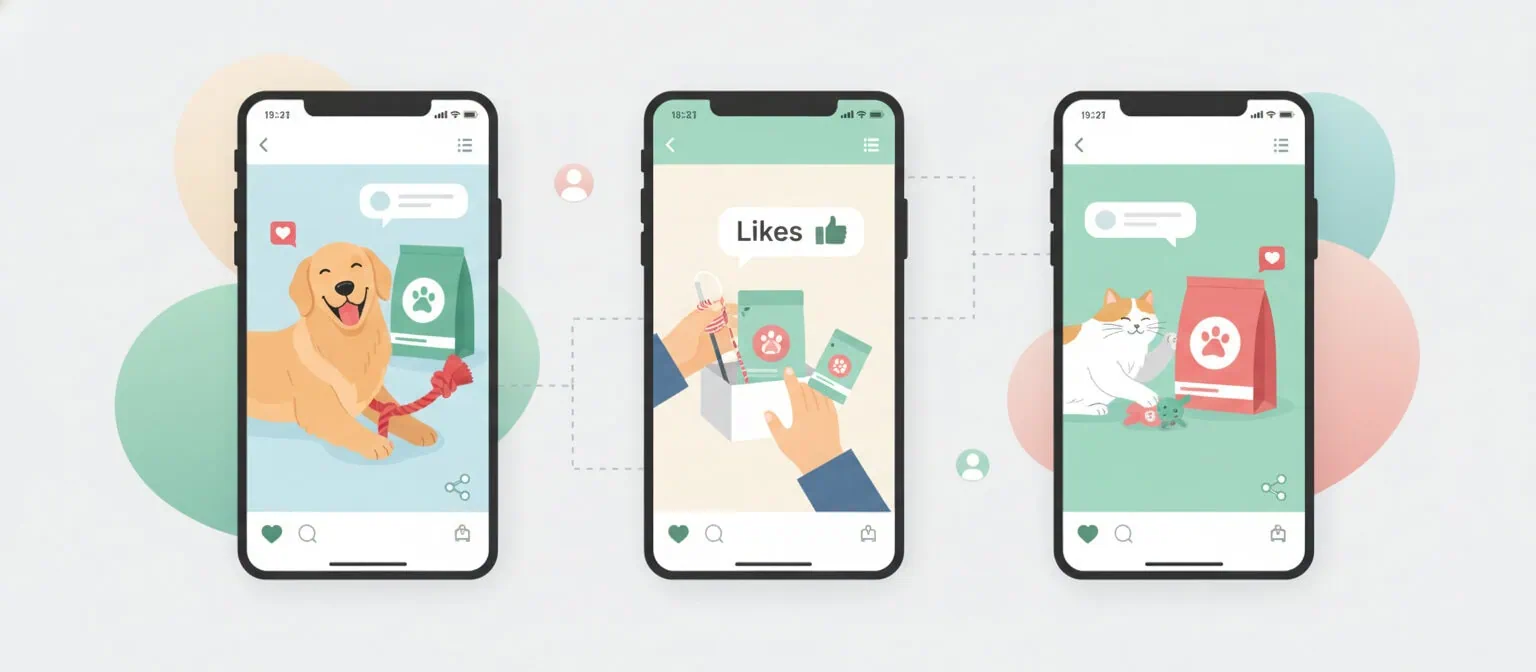
9. Increase Social Media Engagement and User-Generated Content
Pet owners love to share cute toys, accessories, and packaging on:
TikTok
WeChat & Xiaohongshu
Promotional gifts increase the chances of:
Unboxing videos
Pet playing videos
Cute photos
Organic brand exposure
UGC (User-Generated Content) is free marketing, and gifts help stimulate that.
10. Help Pet Food Brands Enter New Categories
Promotional gifts allow food brands to gradually expand into other categories, such as:
Toys
Accessories
Grooming
Hygiene products
By giving these items away, pet food brands can:
Test customer preference
Introduce new item types
Collect feedback before mass production
This lowers the risk of investing in new categories.
11. Reduce Reliance on Discounting and Price Wars
Many pet food brands rely heavily on:
Discounts
Coupons
Price reductions
But these strategies weaken brand value.
Promotional gifts offer an alternative:
✔ Increase perceived value
✔ Keep product prices stable
✔ Avoid downward price pressure
✔ Maintain premium positioning
A brand that gives a gift looks generous—
a brand that discounts may appear desperate.
12. Provide Stronger Merchandising Opportunities for Retail Partners
Retailers love promotional gifts because:
They improve shelf visibility
They increase shopper engagement
They give stores attractive promotional stories
They raise average basket size
Pet food brands with strong merchandising support will always gain more shelf space and better placement.
13. Improve Cross-Selling and Bundle Strategies
Gift-based bundles can help:
Promote slow-moving SKUs
Introduce new flavors
Increase sales of premium formulas
Create “value packs” for specific customer segments
Example bundle strategy:
Dog Food + Rope Toy + Training Guide
or
Cat Food + Plush Ball Toy + Catnip Sample
This increases the overall purchase value and encourages customers to buy multiple SKUs.
14. Low Cost, High ROI
Promotional gifts are extremely cost-effective because:
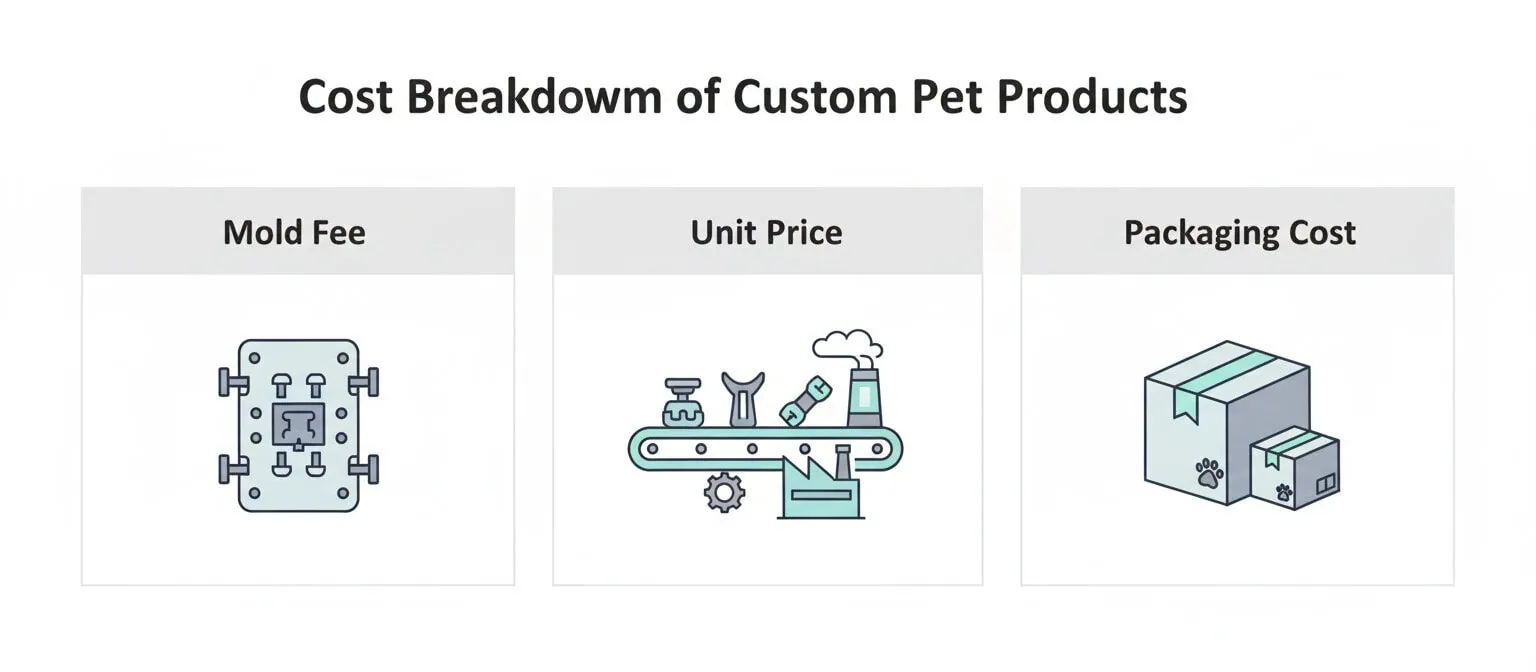
Manufacturing cost is low
Value perception is high
Marketing impact is significant
Long-term brand effects are strong
When executed correctly, promotional gifts provide one of the highest returns on investment for pet food brands.
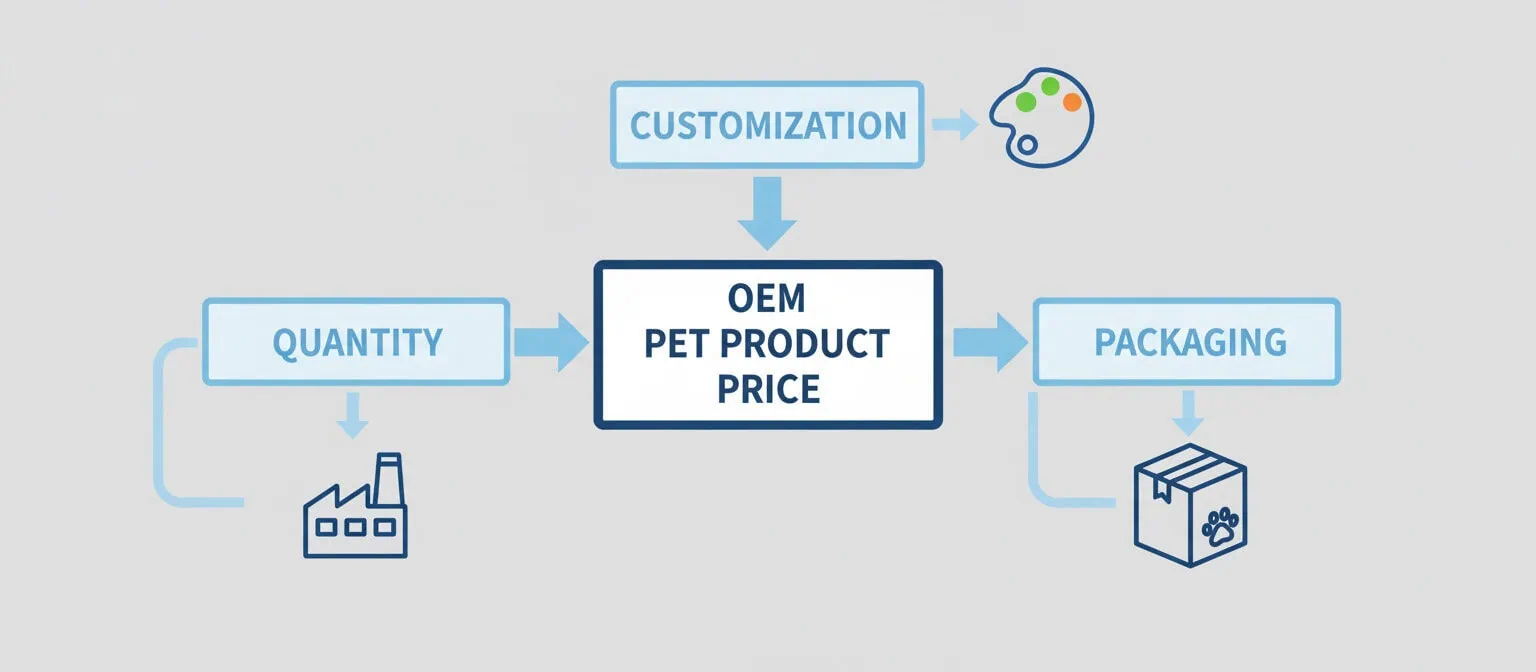
15. How OEM Manufacturers Make Promotional Gifts Easy
Working with an OEM factory offers:
Custom logo printing
Seasonal designs
Custom packaging options
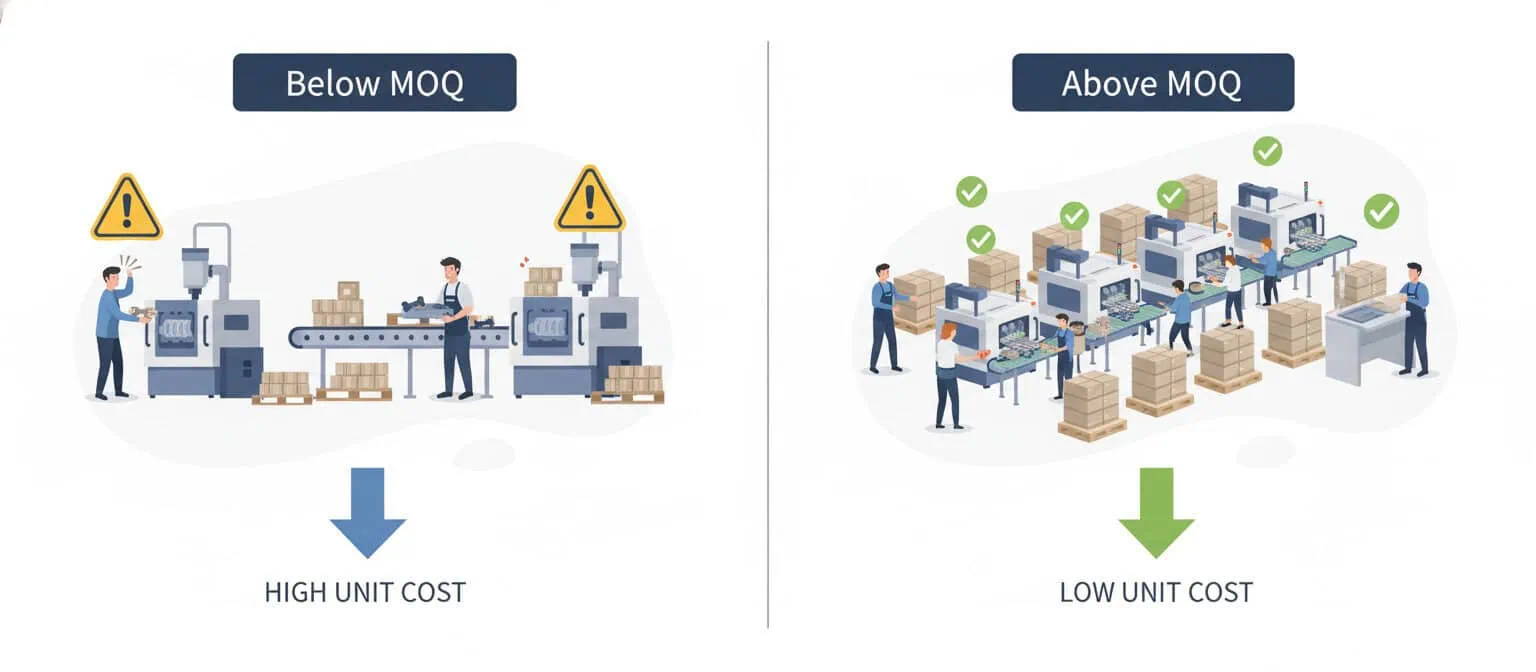
Flexible MOQs
Fast production
International compliance standards
This ensures promotional gifts remain consistent with your brand identity while staying cost-effective.
16. Case Example: Petfond’s Support for Pet Food Brands
Petfond, located in Taizhou, specializes in:
TPR dog toys
Rope toys
Plush toys
Seasonal gifting items
Promotional packaging solutions
Pet food + toy bundle programs
Petfond’s OEM service helps pet food brands:
Launch promotional campaigns
Create exclusive gift packs
Reduce cost
Speed up time to market
Strengthen brand identity
This support is crucial for brands aiming to scale rapidly while maintaining quality and consistency.
17. Conclusion: Promotional Gifts Are a Powerful Sales Accelerator
Promotional gifts help pet food brands:
Stand out
Increase conversion
Increase repeat purchases
Build trust
Expand categories
Boost long-term brand value
In today’s highly competitive market, promotional gifts are not optional—they are essential for any pet food brand aiming to grow.